Why Experts Say Sleeping with Your Pet May Not Be the Best Idea
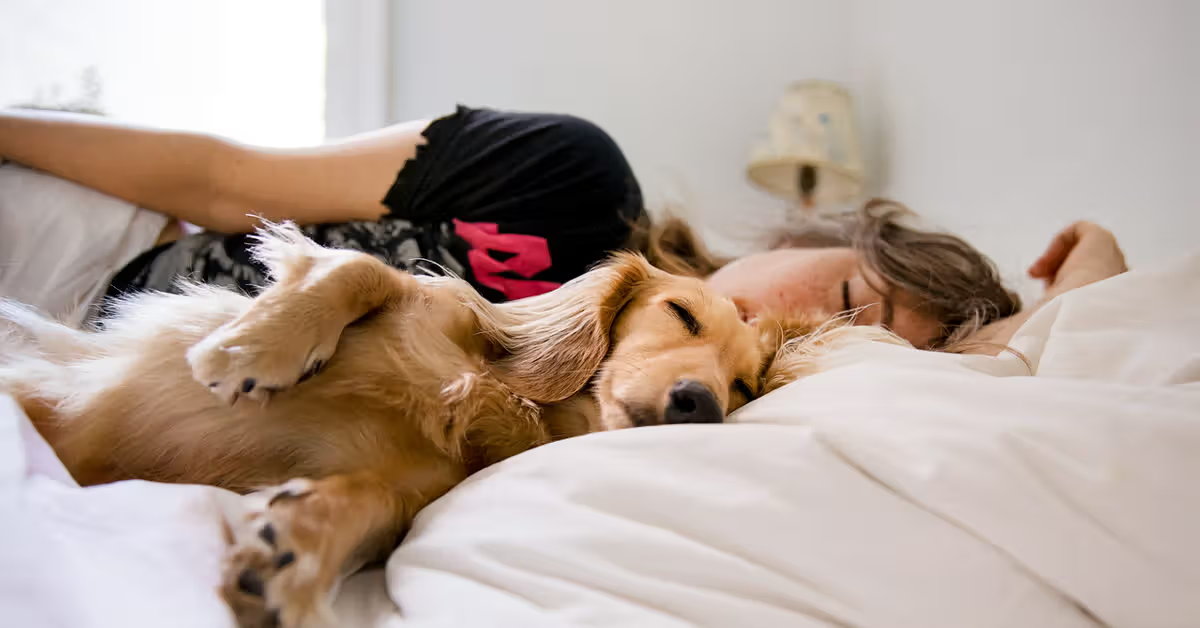
Here are some reasons why sleeping with your pets may be harmful to your health.
Many pet owners find that spending the night cuddling with a dog or cat is instinctive, reassuring, and emotionally fulfilling.
However, health professionals are voicing worries on the dangers of having such intimate contact with pets, particularly when it comes to sharing a bed.

Even though people and their furry friends have a profound link, there may not always be favorable health effects from this kind of closeness.
Although sleeping with pets may seem harmless or even good for mental health, experts caution that doing so might expose people to a number of zoonotic infections, disrupt their sleep, and cause long-term health issues.
What is too close, then?
More than 100 Illnesses Associated with Household Pets
The focus of this discussion is zoonotic illnesses, or infections that can be transferred from animals to people.
Over 100 of the more than 250 zoonotic diseases that are known to exist are connected to intimate contact between domestic pets and people, according to health experts.

The basic fact is that pets frequently come into contact with unhygienic surroundings, even though many pet owners keep their animals’ routines clean and healthy.
It is common for dogs and cats to wander in grass, mud, or other contaminated areas.
They might unintentionally take up bacteria, fleas, ticks, or even feces during walks or outside plays, and bring them right into your house and, worse, your bed.
When Animals Keep You Up at Night
In addition to the dangers to one’s physical health, there is the issue of disturbed sleep. Cats in particular are nocturnal by nature or have sleep patterns that differ from those of people.
If you and your pet share a bed, don’t be shocked if your sleep is disrupted by the abrupt jumping of a restless animal, midnight zoomies, scratching, or grooming sounds.

Even well-trained pets can disrupt your sleep, which affects your overall quality of sleep and over time can lead to mood swings, chronic exhaustion, and a compromised immune system.
A Difficult Habit to Break
It may seem harmless at first to let your pet lie in your bed, but once the habit is established, it can be difficult to break.
Many pet owners find that their animals react restlessly, barking, whimpering, or scratching at doors when they attempt to move them to a different sleeping area, possibly as a result of health issues or a new family member.

It may be more difficult for the pet and owner to set up appropriate boundaries as a result of this emotional reliance.
Sleeping with pets has health risks.
Sleeping next to your pet is directly associated with a number of illnesses:
Allergies: Pets release microscopic allergens, dander, and hair. This exposure may exacerbate symptoms, cause frequent sneezing, or even cause breathing problems while you sleep for those who are prone to allergies or asthma.

Hookworm Infections: Humans can contract this parasitic worm by coming into contact with contaminated fur or surfaces.
It dwells in the intestines of dogs. It can result in digestion problems, stomach pain, and skin infections if it is transmitted.
Respiratory Illnesses: Dust, mold spores, or fungi may be carried by pets’ fur. Long-term exposure to chemicals might cause respiratory issues, such as asthma episodes or chronic bronchitis, particularly in people who already have a medical condition.

Intestinal Parasites: Because pets can spread parasites like roundworms or tapeworms through intimate contact, small children and the elderly are particularly vulnerable to illnesses that could affect their gut health and general well-being.
What Professionals Suggest
Experts advise the following to maintain the health of you and your pets:
Creating distinct sleeping areas: Provide your pet with a comfortable bed close by.
Frequent veterinary checkups and grooming: It’s critical to keep your pet clean, vaccinated, and dewormed.
First, practice good hygiene by washing your hands after handling pets and preventing them from licking your face or open wounds.

Pets offer emotional support, warmth, and devotion, but it’s crucial to strike a balance between love and reason.
Although it may feel good to sleep with your pet, doing so may be endangering both your and their health.


